
- Home
- Myomectomy
Early treatment prevents complications and improves fertility outcomes.
Myomectomy (Fibroid Removal Surgery)
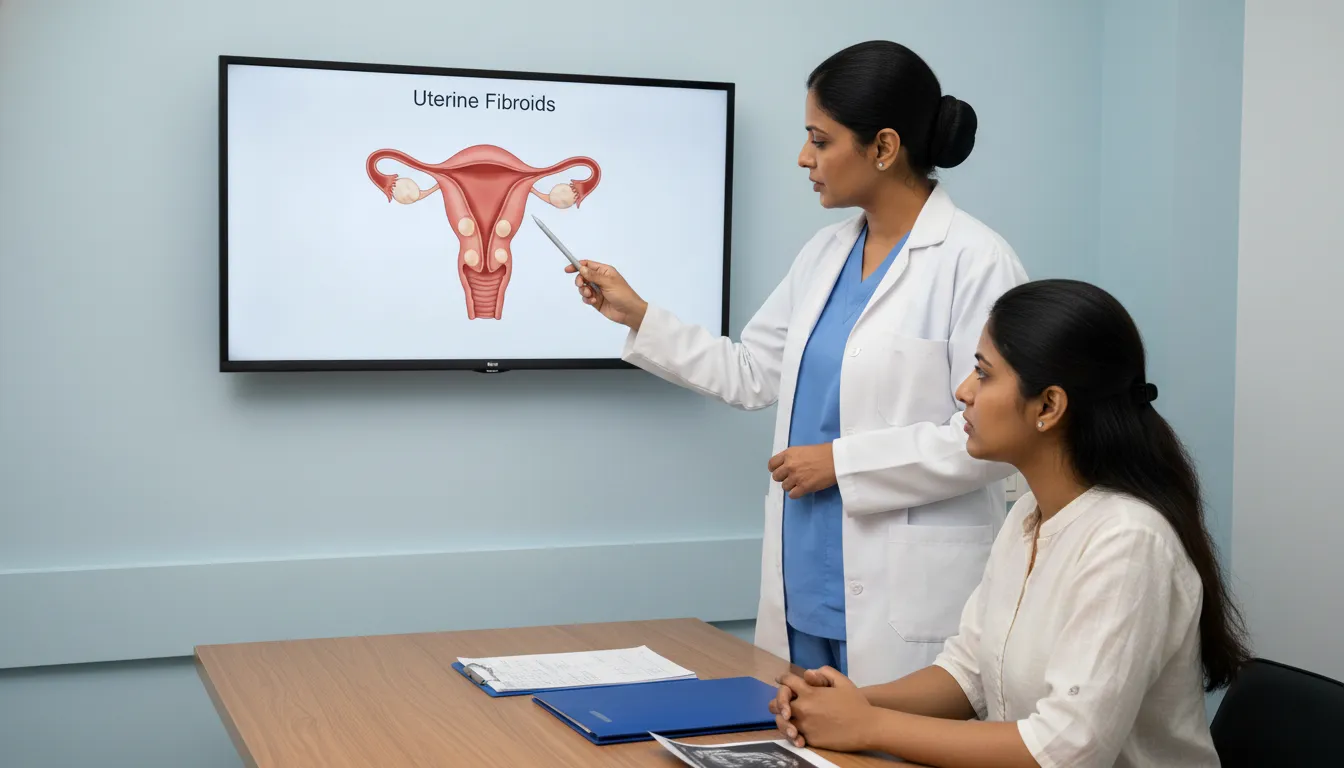
Uterine Fibroids | Heavy Bleeding | Fertility Improvement | Uterine-Preserving Surgery
Myomectomy is a surgical procedure to remove uterine fibroids (non-cancerous growths in the uterus) while preserving the uterus.
It is recommended for women experiencing heavy bleeding, pelvic pain, fertility challenges, or fibroids seen in scans.
At Sri Rama Multi Speciality Hospital, Jammikunta, we offer safe and effective myomectomy procedures under expert gynecologists to relieve symptoms and improve reproductive health.
What is Myomectomy?
Myomectomy is a procedure that specifically targets and removes fibroids. The choice of surgical approach—Hysteroscopy, Laparoscopy, or Open Surgery—depends entirely on the size, number, and exact location of the fibroids.
Causes of Fibroids (Leiomyomas)
Although there is no single known cause of fibroids, a number of factors are responsible for their growth:
Hormonal Imbalance: Estrogen and progesterone hormones may promote fibroid growth.
Genetic Factors: A genetic predisposition to having fibroids raises the risk.
Excess Estrogen Exposure: Early onset of menstruation, use of birth control pills, or obesity may raise estrogen levels and lead to fibroids.
Lifestyle and Diet: High red meat consumption and low intake of green vegetables may increase risk.
Advantages of Myomectomy Surgery
Uterine Preservation: Allows women to maintain their reproductive organs, which is critical for future pregnancies.
Symptom Relief: Effectively alleviates symptoms like heavy bleeding, pain, and pressure.
Fertility Improvement: Removing fibroids that block the tubes or distort the uterine cavity significantly increases the chances of successful conception.
Minimally Invasive Options: Laparoscopic and Hysteroscopic methods ensure reduced pain and quicker return to normal life.
Risks Associated with Myomectomy Surgery
Bleeding: Excessive bleeding during or after surgery, potentially requiring a blood transfusion.
Adhesions (Scar Tissue): Formation of scar tissue that may cause pelvic pain or future fertility issues (minimized with Laparoscopy).
Uterine Rupture: A small risk of uterine rupture during labor if the woman conceives naturally after the procedure.
Infection: Risk of infection at the surgical site.
Post Myomectomy Recovery & Fertility
Fertility-Preserving: Our techniques help retain your ability to conceive naturally post-surgery.
Fast Recovery: Most patients return to daily activities within 2–4 weeks, depending on the type of procedure.
Guidance: We provide personalized post-surgery care for recovery and reproductive planning.