
- Home
- Follicular Study
Services
Track your ovulation accurately and increase your chances of pregnancy with expert monitoring.
Follicular Study
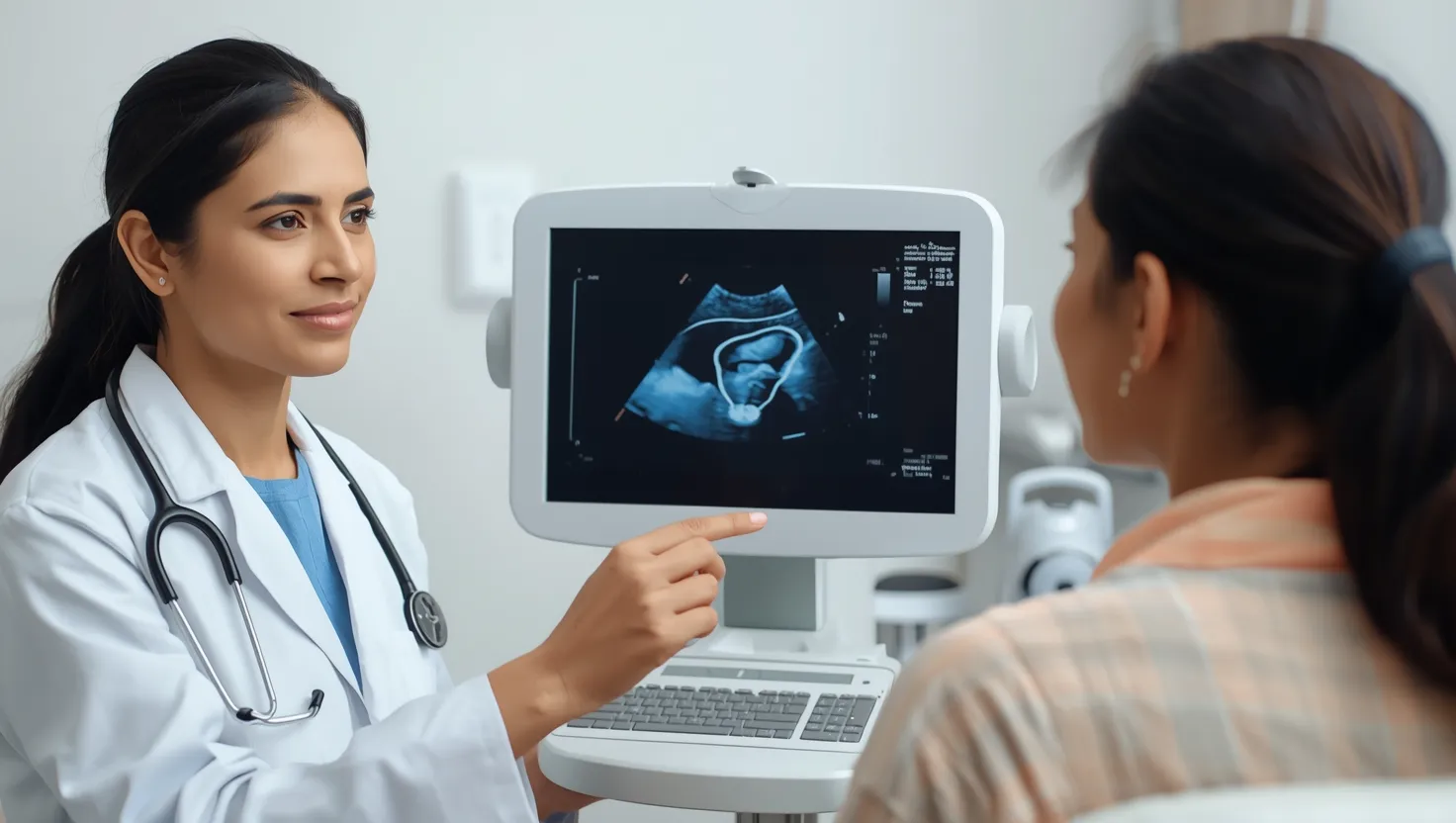
Ovulation Tracking | Egg Growth Monitoring | Pregnancy Timing Support
Follicular Study (also called Follicular Monitoring) is an ultrasound-based method used to track the growth, size, and maturity of the egg (follicle) during a woman’s menstrual cycle.
It helps identify the exact day of ovulation, improving chances of natural conception or assisted fertility treatment success.
What is Follicular Study?
Follicular Study involves doing ultrasound scans on specific days of the menstrual cycle to:
Monitor egg growth
Check ovulation timing
Assess endometrial (uterine lining) thickness
Improve chances of pregnancy with proper guidance
It is the most reliable method to know when the egg is ready for release.
Why is Follicular Study Important?
Helps detect whether ovulation is happening
Identifies delayed or weak ovulation
Determines the exact fertile window
Guides timed intercourse (TI) planning
Helps in ovulation induction cycles
Essential for unexplained infertility
Useful for PCOS patients with irregular cycles
Who Needs Follicular Study?
This monitoring is crucial for couples undergoing fertility treatment, especially those with:
Irregular Cycles/PCOD: To confirm if ovulation is happening and on which day.
Ovulation Induction: To monitor the response to medication and prevent risks like OHSS.
Unexplained Infertility: To ensure every attempt is perfectly timed.
IUI Planning: To schedule the IUI procedure at the peak fertile moment.
Common Cases We Handle
Late Ovulation Case: Egg develops slowly
Weak Follicle Case: Egg stops growing before maturity
Unruptured Follicle Case: Follicle grows but does not release
Thin Lining Case: Endometrial thickness too low
PCOS Case: Multiple small follicles without release
When Should You Consult a Doctor?
Trying for pregnancy for more than 1 year
Irregular cycles and PCOS
Failed attempts despite normal reports
Difficulty tracking ovulation
Weak or delayed ovulation patterns in scans